In the quiet of a well-appointed room, linen speaks with a restrained eloquence: cool to the touch, breathable by design, and timeless in its capacity to age gracefully. For UK interiors, where tradition meets modern efficiency, linen is not merely fabric—it is a design philosophy. This guide explores how linen elevates spaces, how to care for it to maximize longevity, and how to style with an eye toward sustainability and regional sensibilities.
Care routines are not just maintenance; they are a ritual that preserves the integrity, texture, and drape of linen. In the UK climate—with its temperate damp seasons and occasional wool-warmth days—a linen piece can be the steadying thread through variable weather. The goal is to treat linen as a living material: it softens with use, gains character with each wash, and becomes more sustainable when repair and longevity are prioritized over disposal.
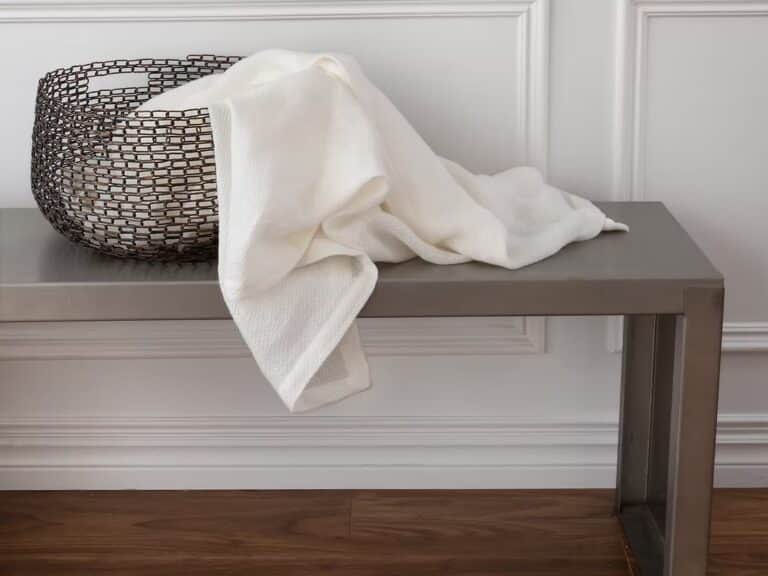
Begin with the basics: washing, drying, and ironing. Linen loves a cool or warm wash on a gentle cycle with a mild detergent. Overloading the machine is the fastest route to unnecessary creases and strain on seams. When it comes to drying, prefer air-drying where possible; tumble drying on a low setting can be acceptable for some blends but may reduce the crinkle-free elegance some homeowners value. Iron while damp or use a steamer to preserve the linen’s natural texture and to avoid scorch marks, which can be more visible on lighter shades.
Longevity also hinges on proper storage. Store linen in a cool, dry space away from direct sunlight to prevent yellowing and fiber degradation. If a linen piece becomes wrinkled after long storage, a light steam can rejuvenate the texture without damaging fibers. This approach aligns with a sustainable lifestyle: minimize washing frequency, maximize use, and invest in high-quality fabrics that endure.
Beyond care basics, material choices matter. Linen woven from 100% flax and produced with attention to sustainable practices holds a premium place in UK interiors. The relationship between care and longevity is twofold: the initial quality determines how long linen lasts, and careful maintenance determines how gracefully it evolves.
In interior design, linen’s texture provides a tactile anchor for a space. The weight of linen—light, medium, or heavy—affects both drape and warmth. Lighter linens create a breezy, airy feeling suitable for throws and curtains in living rooms and bedrooms. Medium-weight linens work well for upholstery, cushions, and drapery that need a little more body. Heavier linen is formidable in bedding and upholstery where durability is essential, especially in high-traffic spaces or homes with pets and children.
Texture interacts with color and pattern. A linen in natural or ecru tones can be a quiet backdrop that lets other materials—wood, wool, ceramic—shine. A linen with subtle weave variation or a softly textured finish can add warmth without visual heaviness. Colour choices matter: pale blues, soft creams, and earthy greens harmonize with British light and the country-house aesthetic many readers associate with premium linen—yet linen in bold charcoal or deep navy can anchor a modern, urban space with a sophisticated edge.
Weight and weave also influence care considerations. A denser weave will feel more substantial and might require gentler washing cycles to preserve its surface. A looser weave can accentuate linen’s natural drape and can shrug off small wrinkles as part of its character. Designers often favour linen for its ability to pair with other natural fibers—cotton, wool, and viscose—creating layered, balanced rooms that feel both curated and comfortable.
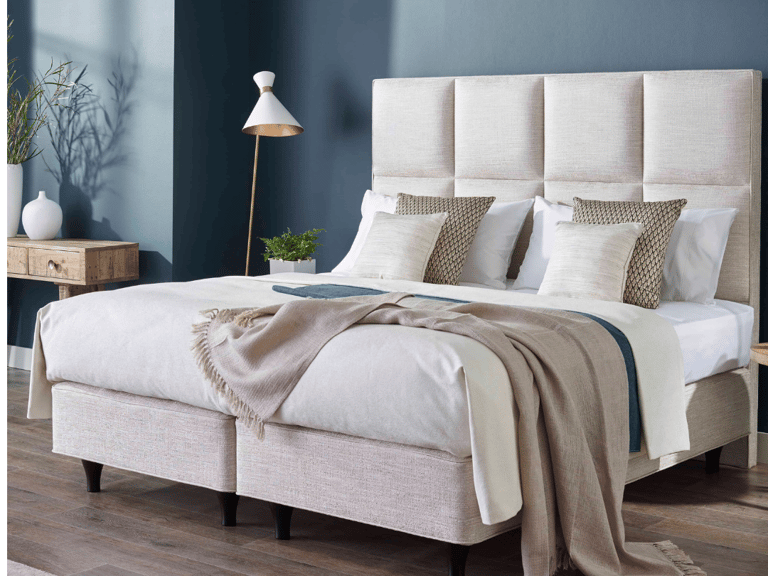
The living room benefits from linen’s breathability in upholstery, cushions, and throws. A linen sofa or armchair—light in tone with a denser weave—can age into a signature piece that gains character without compromising comfort. The dining room can adopt linen chair covers or placemats that withstand daily use while maintaining an elevated aesthetic. In bedrooms, linen bedding and curtains bring a sense of calm, cooling comfort that resonates with the UK’s varied climate. Linen’s subtle texture provides a tactile invitation to slow down, reflect, and enjoy a well-curated space.
Interiors that honour sustainability emphasize longevity and repair. Linen’s natural fibers are forgiving to wear and tear, and with thoughtful care, a single linen item can be used across multiple rooms and seasons. The design approach focuses on mix-and-match with quality neutrals and selective accents that can be refreshed without wholesale replacement.
Linen’s story is not only about fabric but about people who have shaped its meaning across centuries. Here are three pivotal figures from different periods who illuminate linen’s cultural resonance and its relevance to contemporary design:
In early textile cultures, linen represented technical mastery and communal craft. Hypatia’s era—though mythic in many accounts—epitomizes the archetype of the textile artisan: knowledge of flax cultivation, spinning, and weave structures that sustain homes through seasons. Linen’s enduring presence in ancient households highlights its role as a practical luxury—airy, breathable, and lasting when cared for. The modern reader can translate this lineage into design values: linen is a material with a long memory, capable of aging gracefully while maintaining its essential clarity and calm in living spaces.
The industrial era transformed linen from cottage industry to mass production, yet Courtauld’s era also taught restraint: true luxury endures when craftsmanship meets scale without compromising ethical sourcing. A modern parallel is the UK-focused emphasis on sustainable linen and responsible manufacturing. The Courtauld-inspired ethos encourages designers to value provenance, trackability, and longevity—principles that anchor a refined, time-honored interior style.
Bennett embodies the modern editorial voice that treats linen as part of a broader lifestyle narrative—interiors, care, ethics, and sourcing as an integrated design conversation. The Time Magazine-inspired approach to an article on linen would foreground expert insight, accessible how-tos, and a curated sense of British aesthetics—opening linen to a contemporary audience while honoring its heritage.
Another thread in linen’s modern story is the maker economy—craft schools, textile museums, and artisan studios across the UK that keep ancient techniques alive in contemporary finishes. From linen-weaving demonstrations to design-focused exhibitions, these venues offer a wealth of learning opportunities. Readers can explore local textile workshops, join a weaving class, or visit a textile museum to deepen understanding of linen’s properties and its evolving styling potential. This engagement with heritage not only informs design decisions but also aligns with sustainable living by supporting skilled craftspeople and small-scale production.
To transform the concept into a living, breathing publication, consider a 6-month editorial rhythm that blends care, design, and heritage:
Incorporate product-neutral guides, supplier glossaries, and author bios to establish credibility and a consistent editorial voice. The aim is to deliver a premium, informative, and aesthetically coherent experience that resonates with UK readers seeking practical, design-forward content without overt selling.
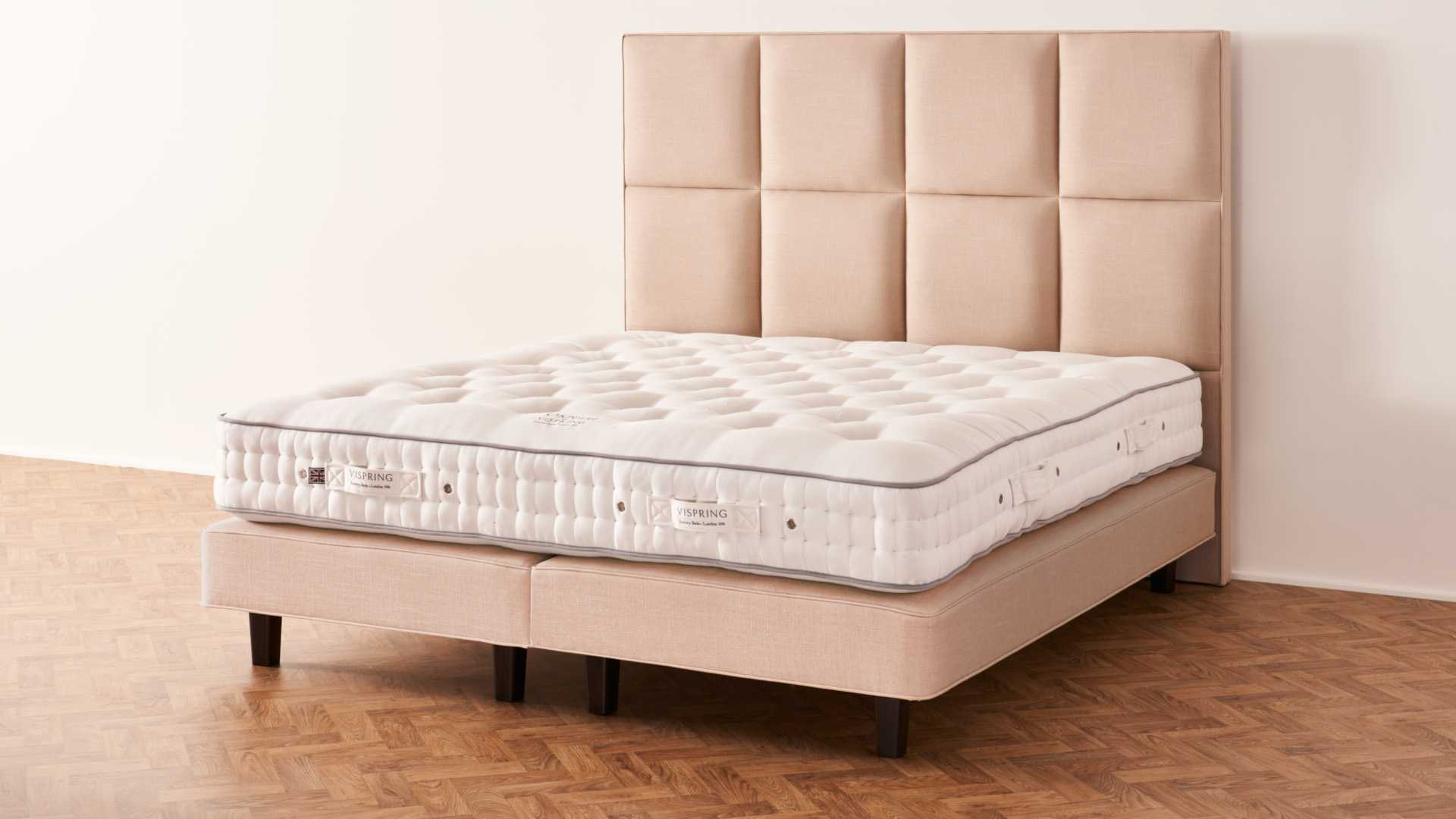
Note: The article integrates a representative product to illustrate premium linen’s companion pieces within a thoughtfully curated interior. Product imagery is provided above for reference.